
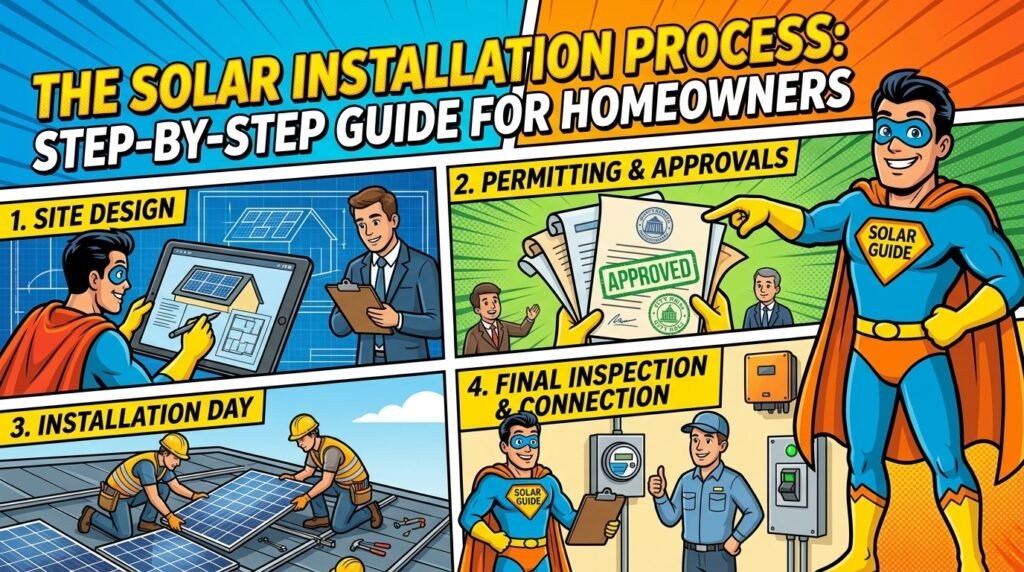
Many homeowners are interested in switching to solar but are unsure about what the installation process involves. The good news is that installing a solar system is straightforward when handled by experienced professionals. From the initial consultation to system activation, the entire process is carefully planned to ensure a smooth and worry-free experience.
Below are the typical steps involved in installing a residential solar system.
1. Initial Consultation and Energy Assessment
The first step is understanding your home’s energy needs. During this stage, the solar installer reviews your electricity usage, typically by analyzing your past 12 months of utility bills. This helps determine the ideal system size to offset your energy consumption.
Other factors evaluated include:
- Roof orientation and shading
- Available roof space
- Electrical panel capacity
- Future energy needs (such as EV chargers or heat pumps)
Based on this assessment, a customized solar system proposal is created.
2. System Design and Proposal
After gathering the necessary information, the installer designs a solar system tailored to your home. The design includes the number of panels, inverter type, system layout, and estimated energy production.
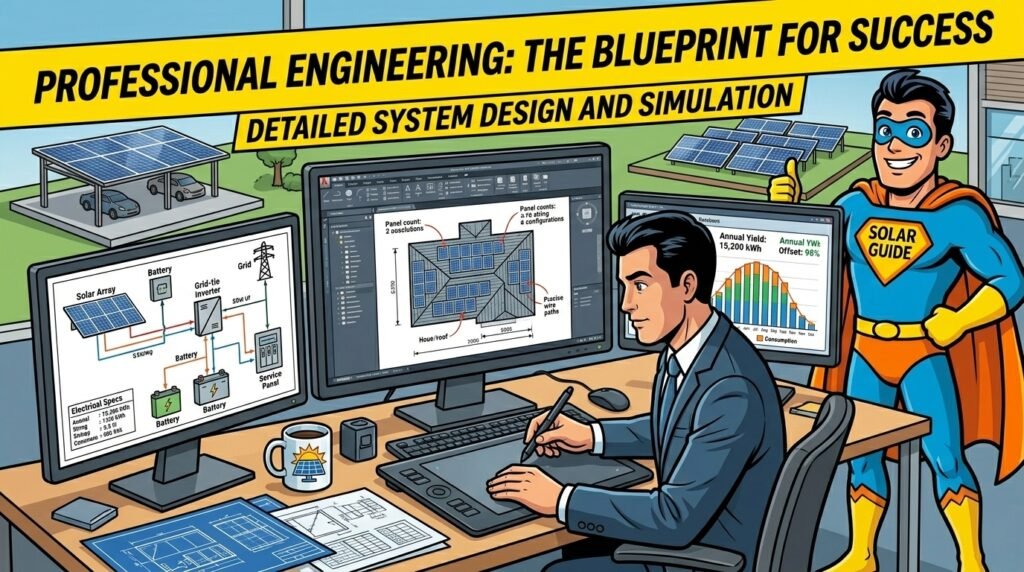
The proposal typically includes:
- System size and components
- Estimated energy generation
- Project timeline
- Available rebates or incentives
- Expected savings over time
Once the homeowner approves the design, the project moves forward.
3. Permits and Utility Applications
Before installation begins, the necessary permits and approvals must be obtained. This step ensures the solar system meets local building regulations and electrical codes.
The installer typically handles:
- Building permits
- Electrical permits
- Utility interconnection applications
- Net metering registration
Handling these administrative tasks helps ensure the installation process stays compliant and hassle-free for the homeowner.
4. Solar Panel Installation
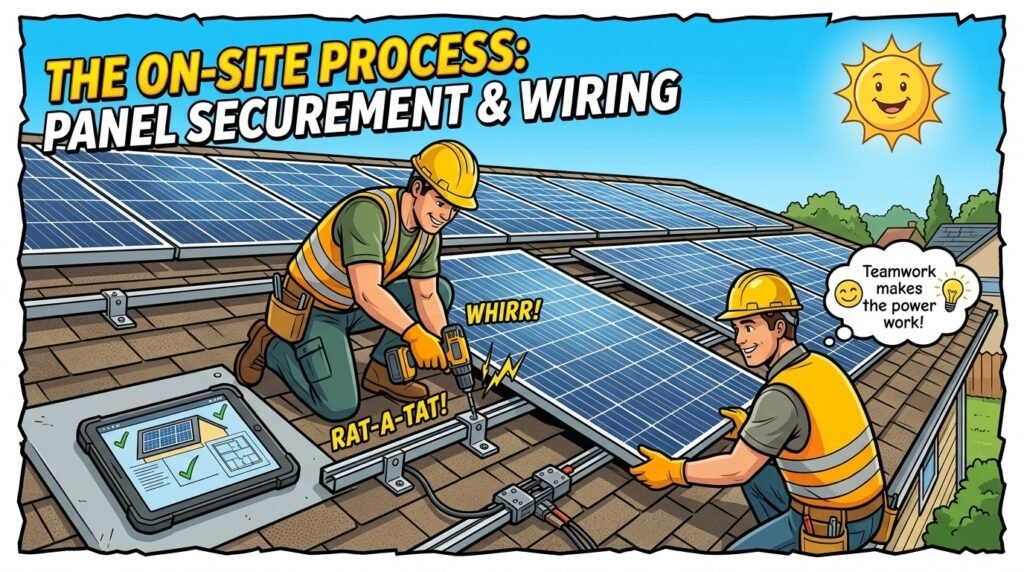
Once permits are approved, the installation team schedules the installation date. The physical installation usually takes 1–3 days, depending on system size and complexity.
The process generally includes:
- Installing roof mounting systems
- Securing solar panels
- Installing inverters and electrical equipment
- Connecting the system to your electrical panel
Professional installers ensure that the system is installed safely and securely while protecting the integrity of your roof.
5. Inspection and Grid Connection
After installation, the system must pass inspections before it can operate. Local authorities and the utility provider verify that the installation meets safety standards and electrical regulations.
Once approved, the system is connected to the grid and activated.
6. System Activation and Monitoring
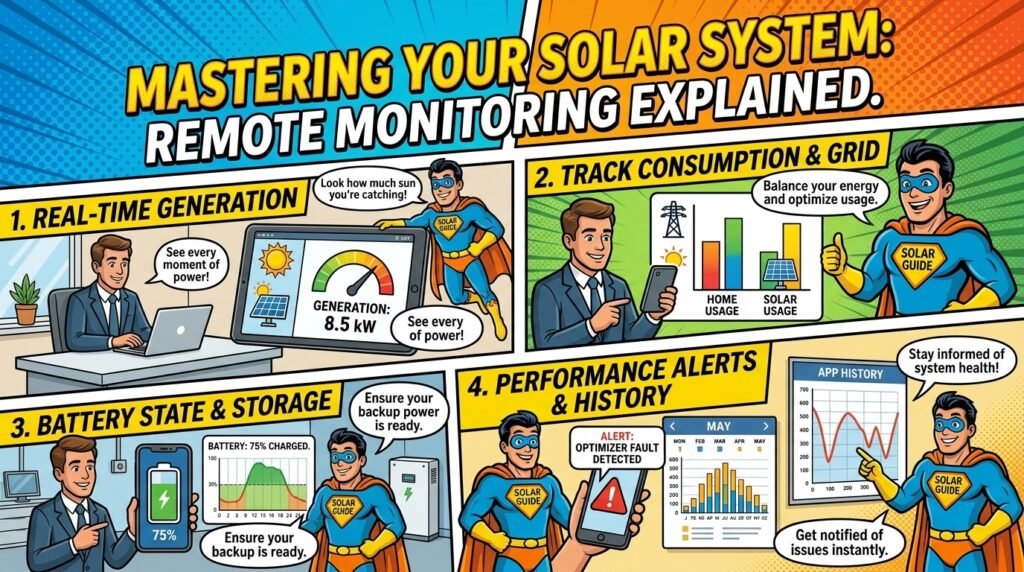
After final approval, your solar system is officially turned on. Most systems include online monitoring, allowing homeowners to track energy production and system performance in real time through a mobile app or web portal.
From this point forward, your home begins generating clean solar energy and reducing reliance on grid electricity.
Final Thoughts
Installing solar is a structured process that typically takes a few weeks from consultation to activation, although the actual installation itself is usually completed in just a few days. With professional guidance, homeowners can enjoy a smooth transition to renewable energy with minimal effort.
At CreateSolar, we handle every step of the process—from design and permits to installation and activation—so you can enjoy the benefits of solar with complete peace of mind.
Contact CreateSolar today to schedule a free solar consultation and start your journey toward clean, affordable energy. ☀️